
Cultivating Gratitude: How to Give Children Their Greatest Superpower

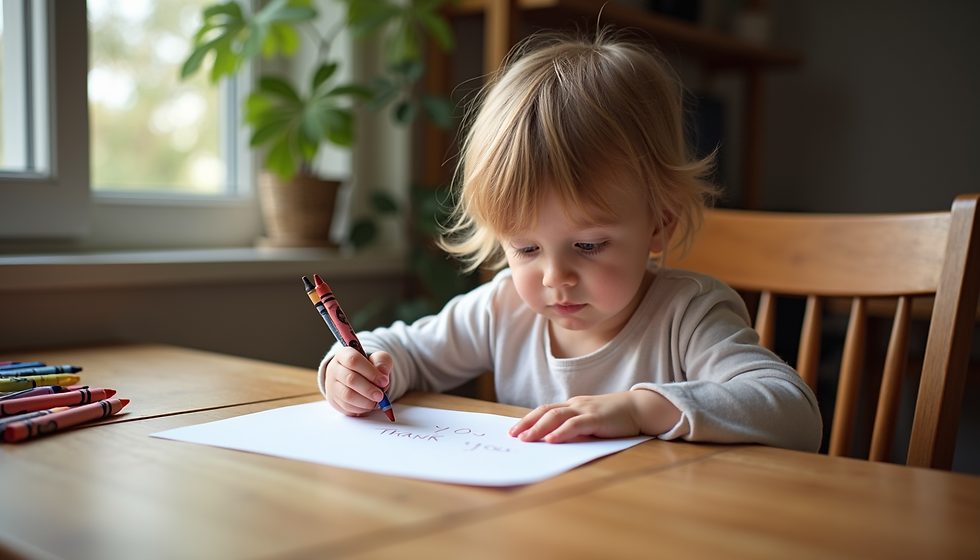
Can gratitude actually be taught? The short answer is yes. And it’s one of the greatest "superpowers" we can give our children.
When we think of teaching children gratitude, our minds often jump to enforcing good manners. We gently (or sometimes not so gently) remind them to say "please" and "thank you" when they are handed a snack or a gift. While manners are important, true gratitude runs much deeper than a polite reflex.
Teaching genuine gratitude is about helping children consciously notice the "good" in their everyday lives. It is the quiet realization of the warmth of the sun streaming into their classroom, or the simple joy of a friend sharing a drum during a music session. It is a shift in perspective—a lens through which they can view the world.
Why Gratitude is a Superpower
When children learn to appreciate the small things early on, they aren't just being pleasant; they are actively rewiring their brains for happiness and success. By weaving gratitude into the fabric of their day, we help them build a foundation for lifelong mental health.
Here is what happens when children regularly practice gratitude:
A Resilient Mindset: Life inevitably brings challenges. Children who practice gratitude are better equipped to bounce back from setbacks because they have trained their brains to look for the silver lining, rather than focusing solely on the negative.
Stronger Social Connections: Gratitude fosters empathy. When a child notices and appreciates when a peer shares a toy or helps them up, it builds a foundation of mutual trust and deeper friendships.
Higher Levels of Emotional Well-being: Studies consistently show that practicing gratitude lowers stress and anxiety while increasing overall joy. It acts as a natural buffer against the pressures of growing up.
Simple Ways to Weave Gratitude into a Child’s Day
You don't need formal lessons or extensive activities to teach this superpower. Here are a few creative, simple ways to integrate gratitude into a child's daily routine:
1. Practice "Noticing" Out Loud
Children are incredible mimics. If you want them to notice the good, start by modeling it yourself. Point out the little things: "Wow, look at how beautiful the clouds are today," or, "I'm so grateful for this cozy sweater." Normalize finding joy in the mundane.
2. The "Rose and Thorn" Check-In
Whether around the dinner table or at the end of the school day, ask children to share one "rose" (something wonderful that happened) and one "thorn" (something challenging). Follow up the thorn with a "bud" (something they are looking forward to). This honors their difficult feelings while guiding them back to a positive, hopeful outlook.
3. Shift the Focus from Things to Experiences
Help children appreciate actions, feelings, and nature rather than just material objects. If they are playing music, ask them how it feels to hear the different instruments together. If they are eating a snack, talk about the crunchy texture or sweet taste.
Flexing the Gratitude Muscle
Ultimately, gratitude is a muscle. It might feel weak or forced at first, but the earlier we start training it, the stronger it grows. By helping children pause and appreciate the beauty in their immediate surroundings, we equip them with a lifelong tool for happiness.
Let's commit to noticing the sunbeams, the shared drums, and the countless small miracles that make up our days—and watch our children thrive as they do the same.


Comments